
Tag: Business

  • US-China Trade Talks in New York: What Bessent and He Lifeng Are Negotiating Before Xi’s State Visit

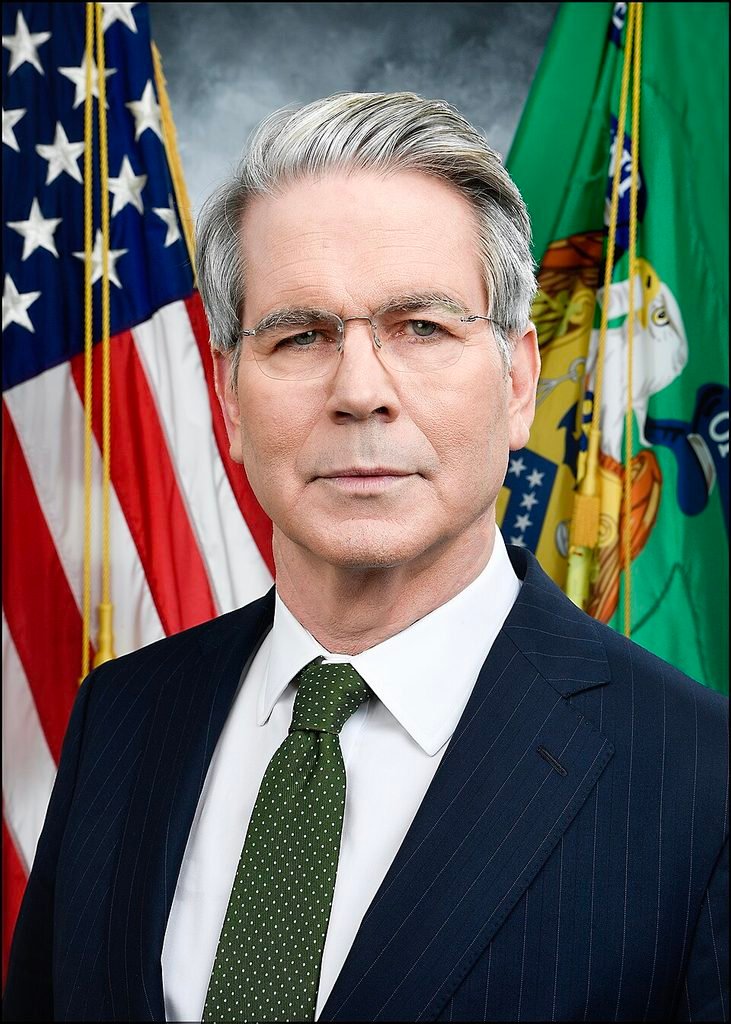
    Official portrait of US Treasury Secretary Scott Bessent, who is holding trade talks with He Lifeng in New York
    Image credit: U.S. Department of the Treasury, via Wikimedia Commons.Image credit: U.S. Department of the Treasury, via Wikimedia Commons.

    The venue is the Manhattan headquarters of JPMorgan Chase, but the bank has no role in the talks. It is only supplying the building, at a moment when security around the UN General Assembly is already heightened. Inside, Treasury Secretary Scott Bessent and Chinese Vice Premier He Lifeng are meeting for a session scheduled to start around 10:30 a.m. Eastern and run through the day, with US Trade Representative Jamieson Greer also in attendance.

    Working-level talks could carry into Monday, according to an unnamed person familiar with the plans. As of this writing, neither government had published a readout of Sunday’s meeting. What is already clear is what the two sides came to argue over, and how much rides on a state visit that US officials say begins on Wednesday.

    Three items on the table

    The reported agenda has three parts: the trade truce between the two countries, which expires on November 10; the flow of Chinese rare-earth magnets and critical minerals; and possible guardrails on artificial intelligence. On minerals, a senior US official said Friday that China’s performance has fallen short of expectations, as reported by Reuters.

    China’s Ministry of Commerce announced Saturday that He will lead a delegation to the United States from Sept. 19 to 23, and that Chinese companies are part of it. The ministry described the purpose as “economic and trade issues of mutual concern,” a phrase broad enough to cover nearly anything.

    Washington’s language is similarly guarded. Greer’s office spoke of “optimizing trade in non-sensitive goods,” while Bessent told Axios on Sept. 16 that the goal was “avoiding bifurcation of our two systems.” Together, the phrases sketch a US position that wants ordinary commerce to keep flowing while strategic sectors stay fenced off.

    A truce standing on rebuilt legal ground

    The current truce traces to the November 2025 meeting in Busan, which, according to Reuters, capped US tariffs on Chinese goods at about 20%. Then the legal footing moved. On Feb. 20, the Supreme Court held that the emergency-powers law behind many of those tariffs, IEEPA, does not authorize them. The administration has been rebuilding its tariff structure under other authorities ever since.

    One of those is a forced-labor tariff. The US Trade Representative finalized the action on July 23, effective July 24, with rates of 10% or 12.5% across economies that account for about 99.4% of US imports. Chinese goods face the 12.5% rate.

    A second pillar is still being finished. In March, the USTR opened an investigation into structural excess capacity in 16 economies, China among them. Bloomberg, citing people familiar with the matter, reports that the resulting tariffs are expected to be held until after the summit. Its reporting also puts the expected rate on China at 7.5%, which would bring total duties back to roughly 20%, though that figure rests on Bloomberg alone.

    There is a wrinkle to keep in mind as November 10 approaches. The Supreme Court ruling struck down the tariffs the truce originally suspended, and coverage so far does not spell out what exactly lapses when the truce ends. The deadline’s practical bite is harder to gauge than the date suggests.

    What Washington may give, and what it won’t

    The talks are timed around the summit. Senior US officials told AP that Xi lands at Joint Base Andrews on Wednesday, greeted by Trump, and that the two presidents meet at the White House on Sept. 24. Thursday brings an arrival ceremony, a troop review, closed-door talks and a state dinner, followed on Friday by a private tea and a tour of the National Archives. The date comes from the US side. Beijing’s own confirmation, delivered by Wang Yi in May, said only that the visit would happen in autumn.

    Those same officials said the two sides may ease some tariffs on a narrow band of non-strategic goods, but that the US is not expected to loosen export controls in exchange for rare earths. That is a firm limit, since rare earths are central to advanced chipmaking.

    Unfinished business from Trump’s May trip to Beijing also hangs over the week. The White House said China agreed to buy at least $17 billion a year in US farm goods through 2028 and approved an initial 200 Boeing aircraft, its first Boeing commitment since 2017. China’s Commerce Ministry described those agreements as still under consultation, so they are best read as US-announced commitments until Beijing says otherwise.

    Where the friction is sharpest: cars and AI

    Autos offer a live example of how far apart the positions inside Washington can sit. Trump told Fox News he would be open to Chinese automakers building plants in the US if they employ American workers. A coalition of US auto trade groups has written to the White House urging it to keep that door shut, and Greer has said the rules restricting Chinese vehicle technology are not changing.

    AI is the newest item and the most tangled. Bessent has said he expects the talks to cover both open-weight and closed-weight models. The backdrop is a joint advisory from the NSA, CISA and the FBI, issued Sept. 8, which accuses six Chinese firms, including Alibaba, DeepSeek and Moonshot AI, of extracting capabilities from US models on an industrial scale since at least late 2024. The document names models from four US developers.

    Reuters adds a complicating detail: Chinese open-weight models are gaining popularity with US companies because they can be cheaper than closed US models. A country accused of copying American systems is also offering models that American businesses find attractive. Those two facts sit uneasily inside the same negotiation.

    What to watch next

    Analysts are not promising fireworks. Anna Ashton, founder of Ashton Intelligence, told Reuters, “I don’t feel like we’re on the verge of some sort of breakthrough.” Investors seem to expect at least a mild lift. A Goldman Sachs survey found that 46% of offshore investors and 38% of onshore investors expect Chinese stocks to rise after the summit, according to Bloomberg.

    The signals that will matter are concrete ones:

    • Any tariff cuts on non-strategic goods
    • Confirmation or expansion of the Boeing and farm purchases
    • Commitments on rare earths
    • A joint statement on AI safety
    • Movement on the auto-plant question

    The harder tests come after the summit. The delayed excess-capacity tariff decision is still waiting, and the November 10 expiry is approaching with its consequences unspecified. AP reports that the two leaders could meet twice more this year, which suggests that today’s session in a bank’s building, and the White House summit that follows, are the opening moves of a longer negotiation rather than its conclusion.


  • Everything You Wanted to Know About mega city’s

    Everything You Wanted to Know About mega city’s

    “Mega city” generally refers to a large metropolitan area characterized by significant population density, economic activity, and urbanization. Here’s a comprehensive overview covering various aspects of mega cities: (more…)
  • Metro city’s should make road with protection In mind

    Metro city’s should make road with protection In mind

    Designing and constructing roads with safety and protection in mind is a crucial aspect of urban planning. Roads are essential elements of any metropolitan area, and incorporating safety features can significantly enhance the well-being of both pedestrians and motorists. Here are several considerations for building roads with protection in mind:

    Pedestrian Infrastructure:

    Sidewalks:
    Ensure well-maintained and spacious sidewalks separated from the road to provide a safe walking environment.

    Crosswalks:
    Implement marked crosswalks at intersections to guide pedestrians safely across the road.
    Pedestrian Overpasses/Underpasses: Consider constructing overpasses or underpasses in areas with high pedestrian traffic to minimize the risk of accidents.

    Cyclist-Friendly Design:
    Bike Lanes: Incorporate dedicated bike lanes separated from vehicular traffic to promote cycling safety.
    Bike Racks: Install bike racks at strategic locations to encourage cycling and provide secure places for parking.

    Traffic Calming Measures:
    Speed Bumps: Use speed bumps in residential areas and near schools to reduce vehicle speeds.
    Roundabouts: Implement roundabouts instead of traditional intersections to slow down traffic and improve safety.

    Accessible Infrastructure:

    ADA Compliance:
    Ensure that road infrastructure is compliant with the Americans with Disabilities Act (ADA) to accommodate individuals with disabilities.
    Accessible Crossings: Install ramps and accessible crossings to facilitate the movement of people with mobility challenges.

    Road Lighting:

    Streetlights:
    Adequate street lighting enhances visibility, reducing the risk of accidents and improving overall safety.
    Pedestrian Crosswalk Lighting: Install additional lighting at crosswalks to increase visibility for both pedestrians and drivers.
    Green Spaces and Landscaping:

    Roadside Greenery:
    Incorporate green spaces and landscaping along roads, providing aesthetic value while also promoting a sense of safety.

    Tree Planting:
    Plant trees strategically to provide shade and improve air quality.
    Advanced Traffic Management Systems:

    Traffic Signals:
    Implement modern traffic signal systems to optimize traffic flow and enhance safety.

    Smart Crosswalks:
    Use technologies such as smart crosswalks that provide signals or warnings to both pedestrians and drivers.

    Emergency Services Access:

    Emergency Lanes:
    Designate lanes or routes for emergency vehicles to ensure quick and unobstructed access during emergencies.

    Public Awareness and Education:

    Signage:
    Install clear and visible signage to communicate speed limits, pedestrian crossings, and other important information.

    Educational Campaigns:
    Conduct public awareness campaigns to educate residents about road safety and proper usage of infrastructure.
    By incorporating these elements into road design, metropolitan areas can create safer and more sustainable environments for their residents. Collaborative efforts between urban planners, engineers, and the community are essential to ensuring that road infrastructure prioritizes protection and safety.

  • Go For Western Economy With These Pioneering

    Go For Western Economy With These Pioneering

    It seems like your request is a bit unclear. If you are interested in ideas or strategies to contribute to the development of a Western economy, here are some pioneering approaches that could be considered:

    Technology and Innovation Hub:
    Invest in research and development to foster innovation in technology.
    Establish tech hubs or innovation centers to attract startups and entrepreneurs.
    Develop policies that encourage the growth of emerging technologies like artificial intelligence, blockchain, and green tech.

    Green and Sustainable Initiatives:
    Focus on sustainable development and green technologies to address environmental concerns.
    Invest in renewable energy sources and promote energy efficiency.
    Implement policies that support sustainable practices in industries.

    Education and Skill Development:
    Prioritize education and skill development programs to create a highly skilled workforce.
    Collaborate with industries to tailor educational programs to meet the demands of the job market.
    Embrace lifelong learning initiatives to adapt to a rapidly changing economic landscape.

    Entrepreneurship and Small Business Support:
    Foster a culture of entrepreneurship by providing support for small businesses and startups.
    Create incubators and accelerators to nurture new businesses.
    Streamline regulations to make it easier for small businesses to thrive.

    Infrastructure Development:
    Invest in modern and efficient infrastructure to support economic growth.
    Focus on transportation, digital connectivity, and sustainable urban planning.
    Implement smart city initiatives to enhance overall quality of life.

    Diversification of Industries:
    Encourage diversification of industries to reduce dependency on specific sectors.
    Attract a range of businesses, from tech companies to manufacturing, to create a resilient economy.
    Support the growth of service-oriented industries such as healthcare, finance, and tourism.

    Global Trade and Collaboration:
    Foster international trade partnerships to expand market access.
    Negotiate and strengthen trade agreements to benefit the local economy.
    Encourage foreign direct investment (FDI) while protecting national interests.

    Inclusive Economic Policies:
    Develop policies that address income inequality and promote social inclusivity.
    Implement fair labor practices and regulations to ensure worker rights.
    Provide social safety nets to support vulnerable populations.

    Health and Well-being Initiatives:
    Prioritize public health to create a healthy and productive workforce.
    Invest in healthcare infrastructure and preventive measures.
    Promote mental health and well-being in the workplace.

    Digital Transformation:
    Embrace digital transformation across industries.
    Develop a digital infrastructure to support e-commerce, online services, and remote work.
    Invest in cybersecurity measures to protect digital assets.
    These approaches aim to create a dynamic and resilient Western economy by leveraging technology, sustainability, education, and a diverse economic base. Implementing a combination of these strategies with careful planning and collaboration can contribute to long-term economic success.

  • Where to travel asia Kind Mid Spirit

    Where to travel asia Kind Mid Spirit

    If you’re looking for a travel destination in Asia with a kind and mid-spirit vibe, there are many places that could offer a welcoming and positive experience. Here are a few suggestions:

    Bhutan:
    Known for its Gross National Happiness Index, Bhutan is a country that values well-being over material wealth.
    The people are friendly, and the stunning landscapes, including the Himalayan mountains, make it a serene destination.

    Ubud, Bali, Indonesia:
    Ubud is known for its spiritual and artistic community.
    The lush landscapes, rice terraces, and a variety of temples create a peaceful atmosphere.
    Engage in yoga and meditation practices or explore the vibrant arts scene.

    Chiang Mai, Thailand:
    Chiang Mai offers a blend of cultural richness and a laid-back atmosphere.
    Explore historic temples, visit the local markets, and enjoy the beautiful surrounding nature.

    Hoi An, Vietnam:
    This ancient town is known for its well-preserved architecture and lantern-lit streets.
    The locals are friendly, and the town has a calm and charming atmosphere.

    Pokhara, Nepal:
    Nestled in the Himalayas, Pokhara is surrounded by stunning lakes and mountains.
    It’s a great place for trekking, relaxation, and connecting with the local culture.

    Luang Prabang, Laos:
    This UNESCO World Heritage city is known for its well-preserved architecture and Buddhist temples.
    The slow pace of life and the welcoming locals make it a peaceful destination.

    Sapporo, Japan:
    Sapporo, located in Hokkaido, offers a mix of modernity and natural beauty.
    Enjoy the local cuisine, visit parks, and experience the unique cultural aspects of Japan.

    Galle, Sri Lanka:
    Galle’s historic fort area and charming streets create a relaxed atmosphere.
    Explore the local markets, enjoy the coastline, and experience the warmth of the people.

    Malacca, Malaysia:
    Malacca’s historic city center is a UNESCO World Heritage site with a mix of cultures.
    The city is known for its friendly locals and delicious food.

    Sihanoukville, Cambodia:
    Sihanoukville offers beautiful beaches and a laid-back atmosphere.
    Explore nearby islands, enjoy fresh seafood, and experience the local hospitality.
    Before planning your trip, it’s always a good idea to check for any travel advisories or entry requirements, especially considering any potential changes in the global travel landscape. Additionally, respecting local customs and being open to new experiences will enhance your journey and contribute to a positive travel experience.