
Tag: Yemen

  • US Orders Diplomats Out of Saudi Arabia as Houthi Strikes Hit Airports and Oil Field

    US Orders Diplomats Out of Saudi Arabia as Houthi Strikes Hit Airports and Oil Field

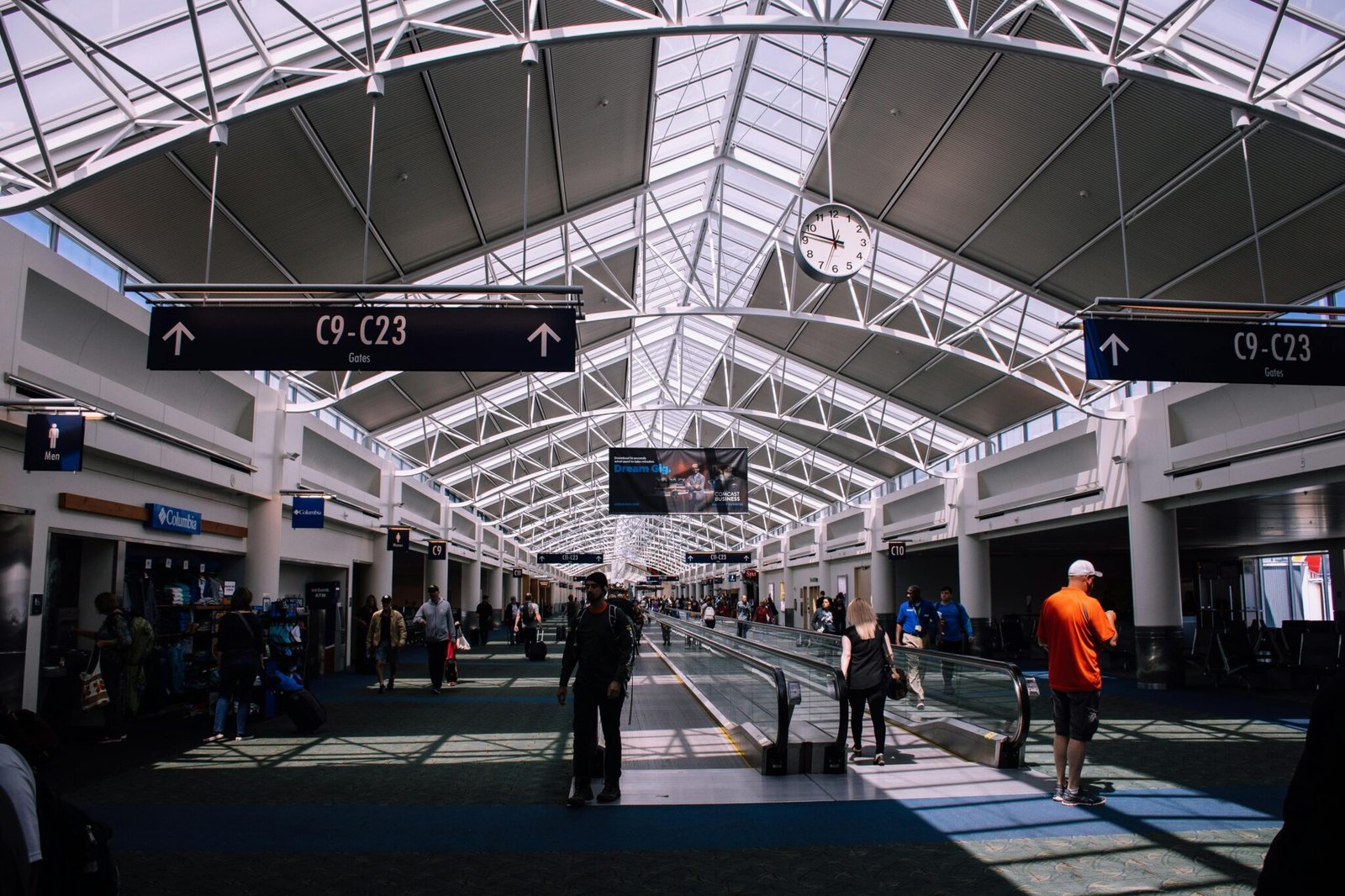
    The US State Department has ordered some of its diplomats and their families to leave Saudi Arabia. The decision came as Houthi attacks reached the country’s airports and energy sites, and a strike on a major Gulf airport on Wednesday evening has made the move look prescient.

    What happened in Dammam

    Saudi Arabia’s civil aviation authority said an attack by the Iranian-backed Houthis on King Fahd International Airport in Dammam killed one person and injured eight. The Hill reported the authority’s account. Separately, two people died in a drone attack on an oil field.

    The cause of the Dammam strike has not been established. No confirmed information has emerged on how it was carried out, so any claim about the weapon used should be treated with caution until Saudi authorities say more.

    The departure order, and what it covers

    The State Department’s order applies to non-emergency US government employees and their family members in Saudi Arabia. It was issued before the Dammam attack, which suggests Washington was already reading the trajectory of the conflict as dangerous. According to the Japan Times, which carried Reuters reporting, the department also plans to pull family members from several other missions in the region.

    The scope of that wider withdrawal is disputed. An AFP diplomatic source said families of US embassy staff were also being withdrawn in the UAE, Jordan, Qatar and Bahrain. State Department spokesperson Tommy Pigott pushed back on X, saying the order covered “non-emergency U.S. government employees and their family members in Saudi Arabia only”.

    ABC News, citing officials, reported smaller posture changes at other embassies, and those officials said the changes are not tied to any plan to resume combat against Iran. Talk of renewed US action against Iran remains unverified speculation.

    An ordered departure is the second-highest step on the State Department’s scale, one rung short of suspending operations altogether. A department spokesperson told The Hill that “the hostilities have the potential to escalate rapidly, including beyond that immediate area”. That is a notably open-ended warning from an institution that usually words such notices conservatively.

    A campaign that has been building for weeks

    Dammam is the latest in a run of attacks, not an isolated incident. On Oct 8, the Houthis said they had hit airports in Riyadh and Najran, along with King Khalid Air Base. A few days later, Al Jazeera reported that King Khalid airport in Riyadh remained closed after a Saturday attack that killed at least 13 people and wounded more than 300.

    The Houthi spokesperson gave different figures for the Riyadh attack, 12 killed and 309 injured. Where figures diverge, official Saudi numbers are the safer reference, and they should be preferred as they are released.

    The Saudi-led coalition, for its part, says it destroyed 82 Houthi military sites in Yemen. That figure is the coalition’s own claim and has not been independently confirmed.

    Why the timing matters

    The Houthi attacks on Saudi infrastructure followed a major offensive by Yemen’s government to retake territory near the Bab el-Mandeb Strait. The strait is a narrow chokepoint, and fighting around it raises the stakes for anyone with an interest in regional shipping and security.

    The danger to US personnel in Saudi Arabia is also not new. The US embassy in Riyadh and a CIA station there came under drone attack in early March, as Iran began launching attacks across the region. Seen against that history, the latest order reads less like a sudden reaction and more like the product of a long accumulation of risk.

    Saudi Arabia is the Gulf’s largest economy and a key US partner, which is why the damage to civilian infrastructure carries weight beyond the casualty counts. Attacks on airports and oil facilities threaten aviation, energy supply and the wider security of the Gulf.

    What to watch next

    No schedule has been confirmed for further US steps. ABC’s source said the US military is repositioning personnel at bases across the Middle East, though what that amounts to in practice has not been spelled out.

    Three things will clarify the picture quickly. The first is the Saudi damage assessment from Dammam. The second is whether the Houthis claim responsibility for the strike. The third is whether more airports close, which would show how far the campaign has disrupted daily life and commerce inside the kingdom.

    For now, the most telling signal is the one Washington sent before the latest strike landed. When a government moves families out ahead of an attack, it is usually because it expects more to follow.

  • Houthi Strike on Riyadh Airport Kills at Least 12 as Trump Weighs Joining the War

    Houthi Strike on Riyadh Airport Kills at Least 12 as Trump Weighs Joining the War

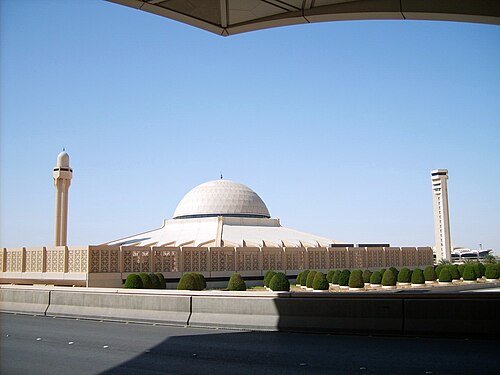
    An airport is supposed to be the one place in a capital where people are only trying to leave or arrive. On Saturday, a Houthi attack on King Khalid International Airport in Riyadh killed at least 12 of them and injured 309, according to Saudi Arabia’s General Authority of Civil Aviation (GACA). The toll is provisional, and some of the injured are in critical condition.

    The dead came from across the region and beyond: four Saudis, two Bangladeshis, and one person each from the United States, Egypt, Jordan, Syria, Palestine and Sudan, as reported by Al Jazeera. Secretary of State Marco Rubio confirmed that an American was among those killed. Now President Donald Trump says he is deciding whether Washington should enter the fight.

    A Week of Strikes on One Airport

    Reuters reported that this was the third attack on the airport in a single week, and described it as the deadliest in the kingdom in more than a decade. That characterization is Reuters’ own. Saudi Arabia’s public alert system, the outlet noted, issued no warning before the strike.

    The airport suspended operations afterward. Houthi media chief posted on X that the group had “shut down” the airport, a claim that comes from the Houthis themselves. The Saudi-led coalition separately reported that a projectile landed near King Fahd International Airport in Dammam, and said on Sunday that it intercepted a missile southeast of Riyadh, near the Prince Sultan airbase.

    The coalition has not held back on language. It called the Riyadh attack a “full-fledged war crime.” Coalition spokesperson Turki al-Maliki, speaking through the Saudi Press Agency, said the strike “will be met with a firm response.” No details of that response have been given.

    How Yemen Got Here

    The airport attacks sit on top of a sharply worsening war inside Yemen. UN special envoy Hans Grundberg told the Security Council on Friday that the country has slid back into “full-scale war,” according to Al Jazeera’s coverage of the briefing. The UN counts at least 46 civilians killed and more than 130 injured since August.

    Al Jazeera reports that the Yemeni government launched an offensive against the Houthis earlier this month, and that the Houthis answered by declaring Saudi airspace a military zone and warning airlines to stay away. The airlines listened. FlightAware data cited by CBC showed at least 124 Riyadh flights cancelled on Friday, after hundreds more the day before. Lufthansa Group has suspended its Riyadh flights through October 16, the US Embassy has urged people to avoid the airport, and Europe’s aviation safety agency, EASA, has widened its guidance on Saudi airspace.

    Grundberg described the strikes as “a grave escalation.” Mohammed al-Bukhaiti, a senior Houthi official, framed them differently, telling The Week that they enforce a policy of “blockade for blockade.” The Houthis are Iran-backed, but the reporting gathered so far does not establish direct Iranian involvement in Saturday’s attack.

    The Decision in Washington

    For the United States, the attack lands on a question it had been avoiding. In September, Axios reported that Trump turned down a request from Crown Prince Mohammed bin Salman for US strikes on the Houthis, offering intelligence and targeting data instead. That account reached NeuralWired through secondary reporting.

    His tone has changed. Trump called the attack “terrible” and “not acceptable,” said the United States “may” join the war against the Houthis, and said he “will be speaking” with the crown prince. He added that he would “move very quickly.” As of this writing, no completed call has been reported. Iran International has reported Trump saying Saudi Arabia can defend itself, which suggests his position is still moving rather than settled.

    The stakes extend past Yemen. Fortune described the airport attacks as a significant escalation on the latest front of the wider Iran war, a conflict that has kept energy markets on edge since it began in late February.

    What It Means for Oil

    The Gulf’s role in the oil market makes any threat to Saudi infrastructure a price story. The US Energy Information Administration says Brent crude averaged around $104 a barrel in the last two weeks of the third quarter, with supply disruption out of Saudi Arabia adding pressure. Brent had fallen to $72 on July 1 before rising again after military strikes resumed on July 7.

    Markets reopen Monday, and no verified Brent close for Friday or Saturday is available yet. Traders will be watching for any sign that the airport attacks are widening into a threat to Saudi energy facilities, not only its aviation.

    What to Watch Next

    Three things will shape the coming days. The first is the Saudi-led coalition’s promised retaliation, and whether it stays inside Yemen. The second is the outcome of Trump’s expected conversation with the crown prince, and whether “may join” becomes a decision. The third is the UN Security Council, where Saudi Arabia and Yemen’s government urged action on Friday.

    Riyadh has made its position plain at the UN. Saudi envoy Abdulaziz al-Wasil said the kingdom will not allow Yemen to be a staging ground for threats to its security or shipping. A civilian airport, a provisional death toll still climbing and a US president weighing his options have put that line to its first real test.